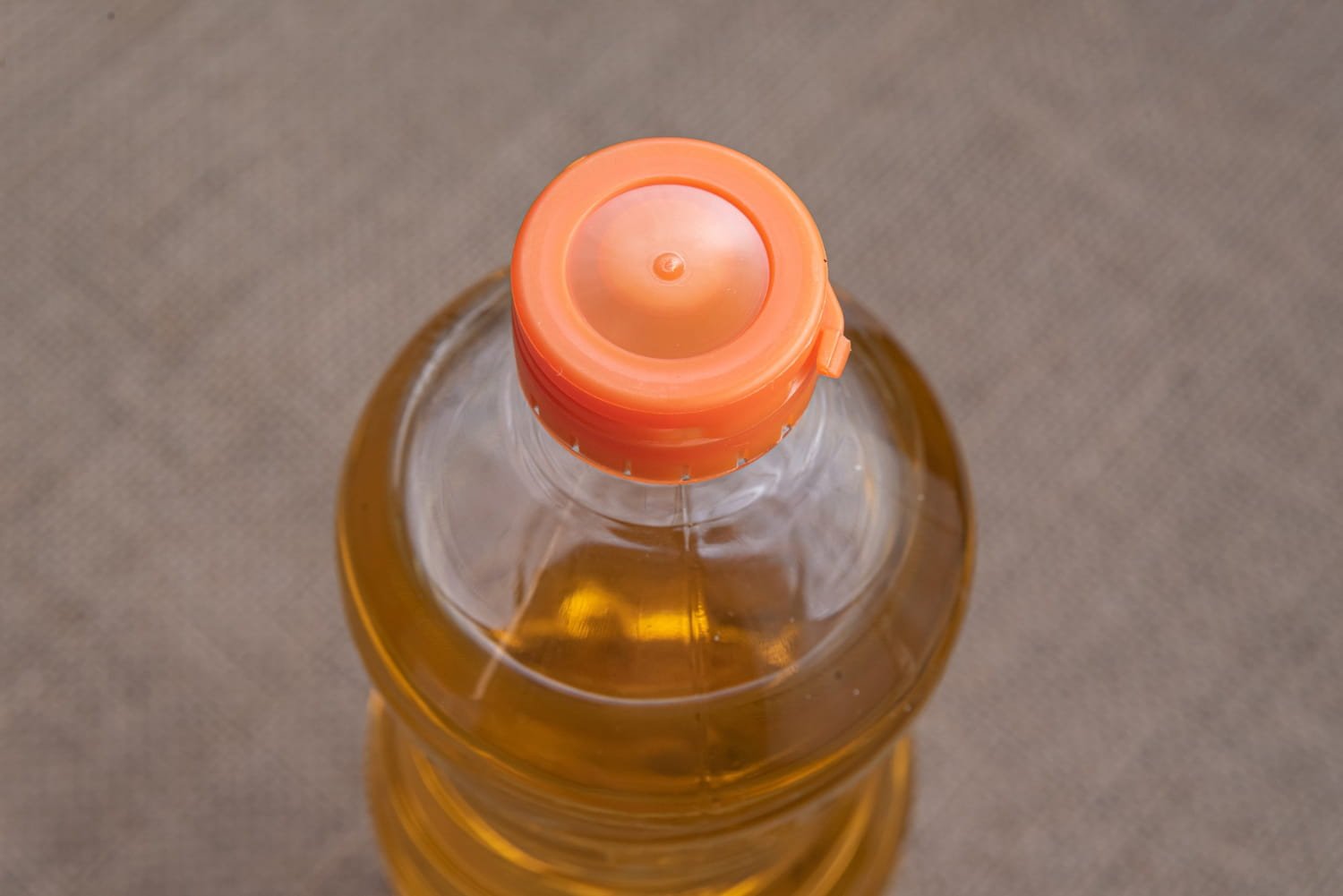
How to Choose the Right Cooking Oil for Everyday Health
How to Choose the Right Cooking Oil for Everyday Health
Posted by Admin
Cooking oil is an essential part of almost every kitchen. It helps us cook food, improves texture and flavor, and provides dietary fat that the body needs. However, choosing the right oil and using it properly can make an important difference to the nutritional quality of our meals.
Why Does Cooking Oil Matter?
Different cooking oils contain different proportions of saturated, monounsaturated, and polyunsaturated fats. Some oils also provide naturally occurring compounds such as vitamin E and other antioxidants.
Rather than focusing on a single "best" oil, it is useful to consider the overall diet, cooking method, quantity used, and the nutritional properties of the oil.
Common Cooking Oils
Some commonly used oils include:
- Mustard oil
- Groundnut oil
- Sunflower oil
- Soybean oil
- Rice bran oil
- Sesame oil
- Olive oil
- Coconut oil
Each has a different fatty-acid composition and behaves differently during cooking.
Consider the Cooking Method
The cooking method also matters. Oils used for deep frying are exposed to much higher temperatures than oils used for salad dressings or gentle cooking.
For high-temperature cooking, an oil that is appropriate for the cooking method should be selected, while delicate oils may be better suited to lower-temperature cooking or finishing foods.
Don't Forget Quantity
Even a nutritionally appropriate oil contributes calories. Using large quantities can increase total calorie intake and may contribute to weight gain.
A practical approach is to measure the oil rather than pouring it directly from the bottle.
What About Reusing Oil?
Repeatedly heating the same oil can cause chemical changes and the formation of undesirable oxidation products. Oil that has been repeatedly used for frying should therefore not be treated as equivalent to fresh cooking oil.
A Simple Kitchen Rule
Good cooking-oil habits include:
- Choose an oil appropriate for your cooking style.
- Use moderate quantities.
- Avoid overheating oil until it smokes.
- Avoid repeatedly reusing frying oil.
- Store oil properly, away from excessive heat and light.
- Maintain variety in your overall diet.
Conclusion
Healthy cooking is not simply about finding one "perfect" oil. The type of oil, amount used, cooking temperature, frequency of frying, and the rest of your diet all matter.
Choosing a suitable oil and using it sensibly is one small but practical step toward healthier everyday cooking.