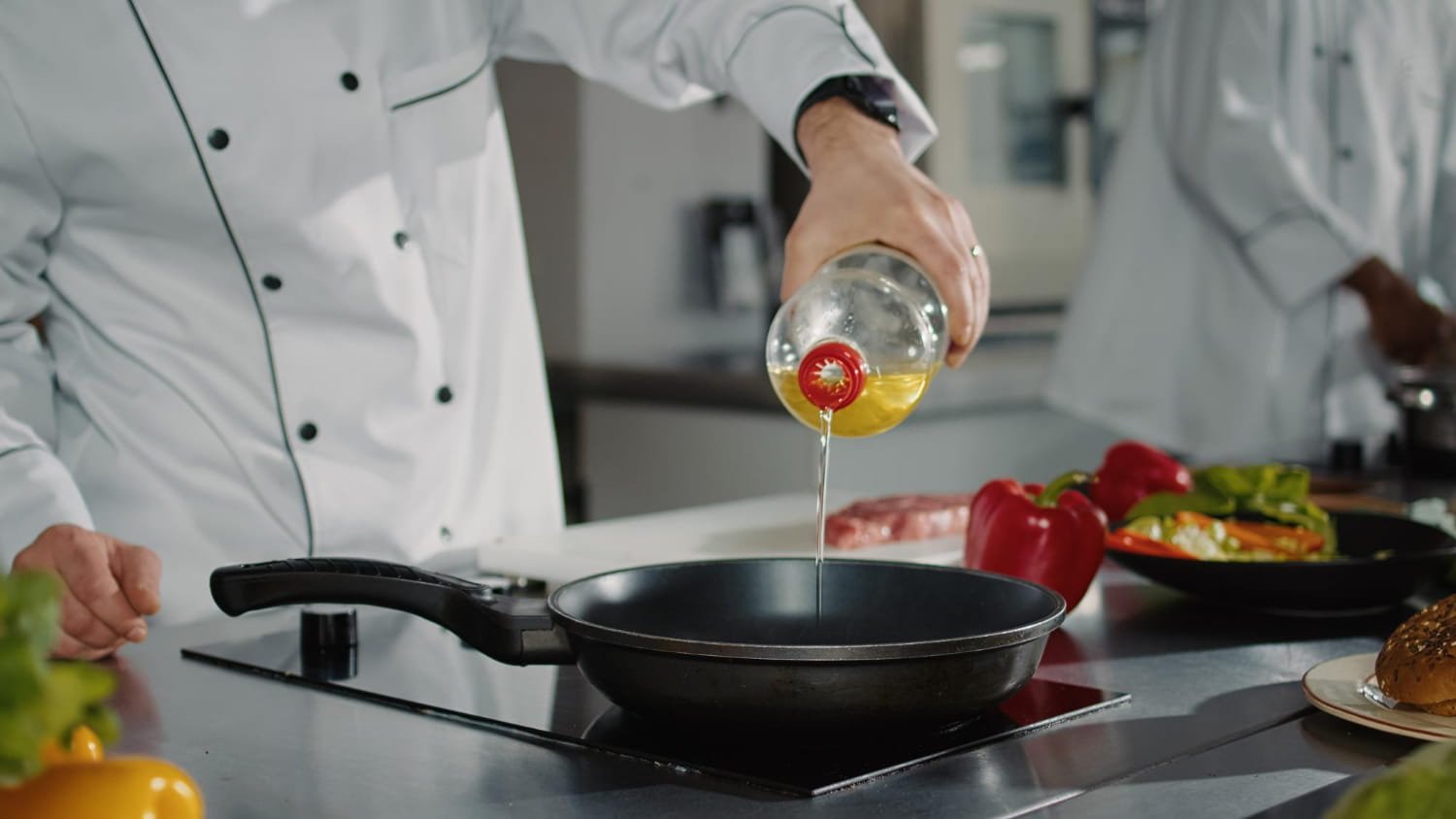
Bad Cooking Oil: How Poor Oil and Cooking Practices Can Affect Health
Bad Cooking Oil: How Poor Oil and Cooking Practices Can Affect Health
Posted by Admin
Understanding these differences is important because cooking oil itself is not necessarily unhealthy. Problems often arise from poor selection, excessive consumption, improper storage, or repeated high-temperature heating.
1. Repeatedly Heated Oil
When oil is repeatedly exposed to high temperatures, oxidation and other chemical reactions can produce degradation compounds.
This is particularly relevant in commercial deep-frying operations where the same oil may be heated for extended periods.
2. Excessive Fried Food
Even when fresh oil is used, frequently eating deep-fried foods can increase overall calorie and fat intake.
Regularly consuming energy-dense fried foods may make it harder to maintain a healthy body weight, particularly when these foods replace vegetables, whole grains, legumes, and other nutrient-rich foods.
3. Rancid Oil
Oil can deteriorate during storage because of exposure to oxygen, heat, and light.
Rancid oil may develop an unpleasant smell or taste. Using fresh oil and storing it correctly can help reduce this problem.
4. Too Much Oil
The quality of an oil matters, but quantity matters too.
All cooking oils are calorie-dense. Using excessive amounts can substantially increase the energy content of meals.
Instead of completely avoiding cooking oil, focus on reasonable portions and an overall balanced diet.
5. High-Temperature Cooking
Different cooking methods expose oil to different temperatures.
Deep frying generally creates more thermal stress than gentle cooking. Avoiding excessive temperatures and preventing oil from smoking can help reduce degradation.
Signs That Frying Oil May Need to Be Discarded
Watch for:
- Persistent unpleasant or rancid smell
- Excessive darkening
- Unusual thickness
- Persistent foaming
- Smoking at temperatures where it previously did not smoke
- Large amounts of burnt food residue
These signs suggest that the oil has undergone substantial changes.
Building Healthier Cooking Habits
You don't have to eliminate oil from your kitchen. Instead:
Choose: Use a suitable cooking oil with a balanced overall diet.
Measure: Avoid adding more oil than necessary.
Cook: Use appropriate temperatures for the cooking method.
Reuse carefully: Avoid repeated heating of frying oil.
Store: Keep oil in a suitable container away from excessive heat and light.
Balance: Include vegetables, fruits, whole grains, pulses, nuts, and other nutritious foods regularly.
Final Thoughts
The health effects associated with cooking oil depend on much more than the name printed on the bottle.
Oil quality, storage, cooking temperature, repeated heating, quantity consumed, and the overall dietary pattern all contribute to the picture.
The goal isn't to fear cooking oil—it is to use it wisely. Small changes in everyday cooking practices can help make meals healthier without sacrificing taste.